I have more clients coming today with the idea of vintage interiors. While some understand precisely what they need, others have vague concepts in their mind. For me, as a designer, vintage means more depth and an unmatched character for the property. The term is often misunderstood. So, what is vintage interior design? In this guide, I will take you through the little details and bigger elements.
Decoding the term “Vintage”
Vintage usually refers to things, pieces, and ideas that are at least 20 to a hundred years old, often representing a particular era. In terms of interior design, it also means celebrating the nostalgia, craftsmanship, and soulful materials of that time. Each time I take on a project like this, my goal is to create a lived-in character for the space and tell a story.

Vintage vs Retro vs Antique
Vintage, as I just mentioned, refers to things and themes that are 20–100 years old. The elements used in interiors are authentic period pieces rather than replicas. The little wear and tear of accessories and materials is a statement of charm and not damage. Retro is vastly different. It often means using themes and elements that are designed to imitate an era or style. Retro interiors often evoke the playful nostalgia of the 60s, bold colours, and unique shapes. Antiques, on the contrary, refer to things that are more than a hundred years old. These are historic, rare, and often handcrafted pieces and materials that require careful sourcing.
Roots & Elements of Vintage Interiors
I have had the pleasure of working with clients who are inspired by the styles, homes, and themes of different decades, such as the 20s, 40s, 50s, and 70s. They often have a picture in mind, and it is my team’s work to dig deeper and determine the prominent details, including colours, materials, and silhouettes, that represent the era. What is vintage interior design in terms of features? Here are some key aspects:
⦁ Weather finishes for many materials. I let clients decide on whether they want to source stuff from the past or choose modern elements with a natural fade to work more like retro.
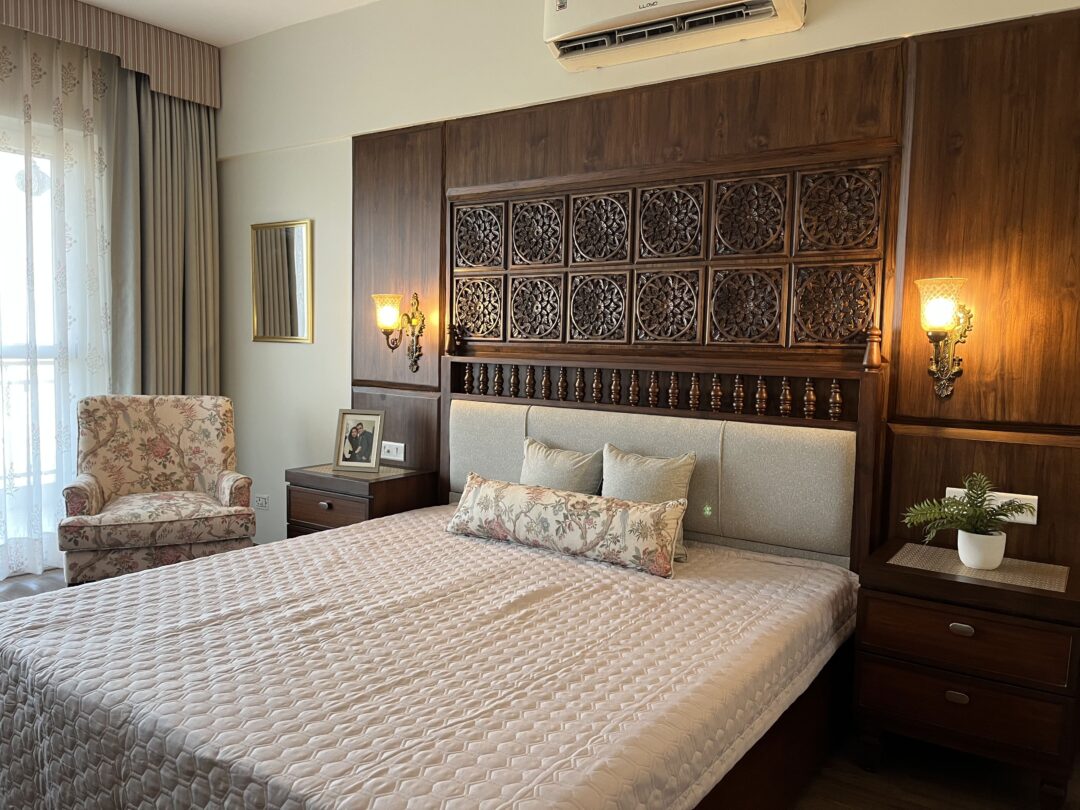
⦁ Craftsmanship is also a critical aspect, and depending on the theme, there is enough emphasis on using carved wood and metalwork. I also like to use textured fabrics and handwoven textiles for that extra layer.
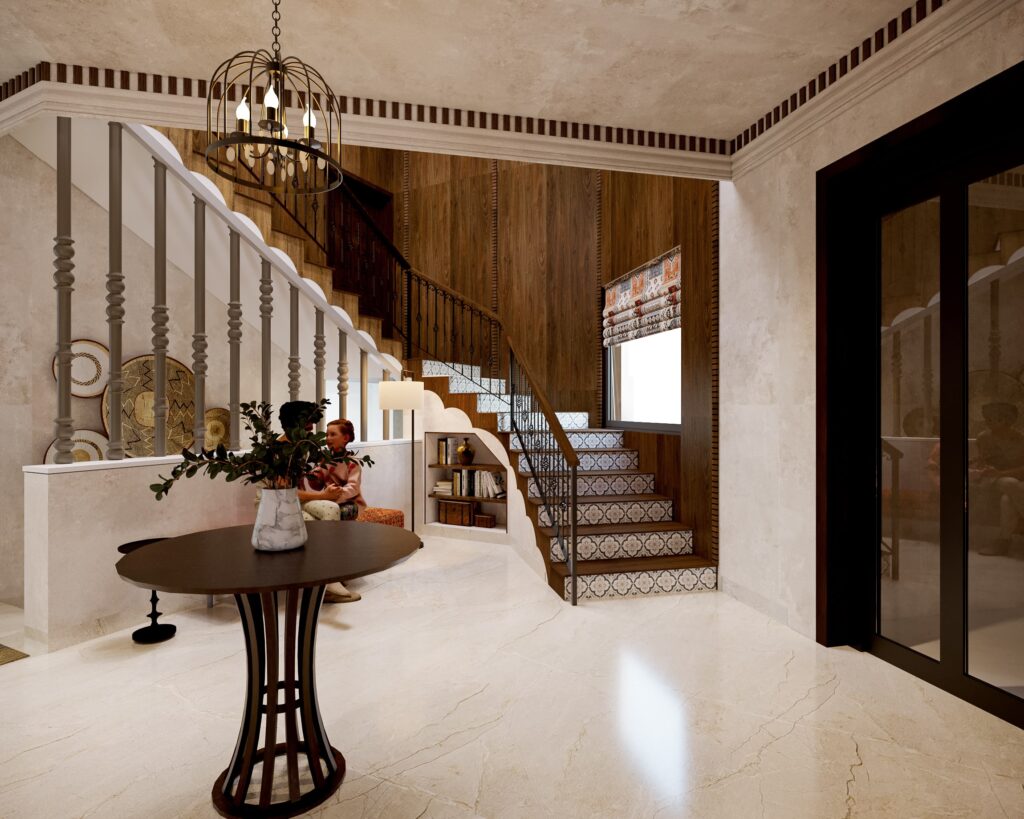
⦁ My interiors with vintage elements often have curved furniture, ornate details, and layered décor that stands out for its rustic charm.
⦁ In terms of colour palettes, I usually seek inspiration from clients who may have certain shade families in mind. Soft pastel shades, like mint, blush, and dusty blue, are quite popular, but others want to embrace warm browns, like mustard, olive, rust, or jewel tones.

Furniture That Adds to Vintage Interiors
While I briefly talked about furniture, let’s delve more into what to expect. Once I have finalised the layout, theme, and design with the client, I like to venture out as a traveller. This allows me to find the exact places where I can find statement pieces, such as cabinets, wooden sideboards, carved mirrors, cane chairs, and velvet couches. If the customer wants to stick to a particular focal point, I recommend choosing one piece for each room that works as both a functional and aesthetic addition.
Materials & Textures for Vintage
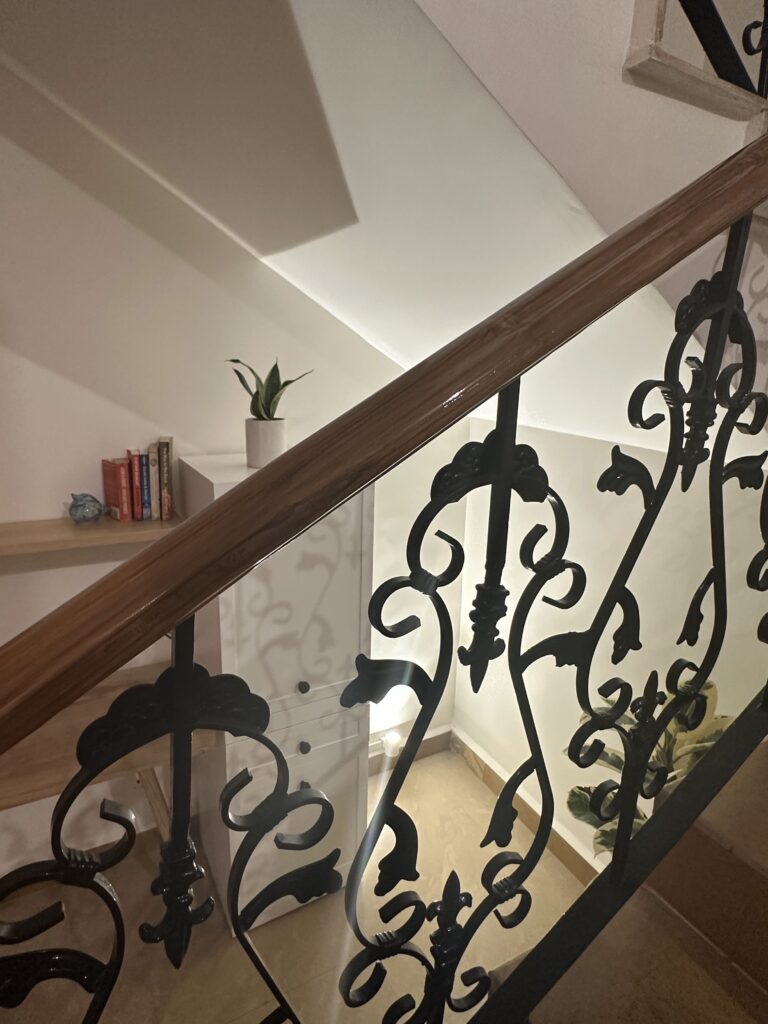
Vintage interiors often have textures that bring memories of an era gone by. Many properties I have designed so far feature specific details and materials, including wood grains, brass textures, linen, and even wrought iron. When elegance or soft charm is needed, I like to bring in materials like velvet, brocade, lace, and crochet. Many clients love my designs, where polished surfaces have been paired with rustic textures.
Vintage Décor & Accessories
A crucial aspect of vintage interiors is the choice of accessories. Even if the entire property has a minimalistic rustic look, smaller elements can change and redefine a space. Depending on the room, I often curate things like mirrors, art, clocks, ceramics, and even old embroidered textiles. These accessories bind the interiors together, adding both cohesion and personality. What I do advise for vintage interiors is clutter. The goal is to let the space speak to every visitor and family member rather than look like a museum.
Vintage for Individual Rooms
Now, let’s go through each room. Here are some broad ideas:
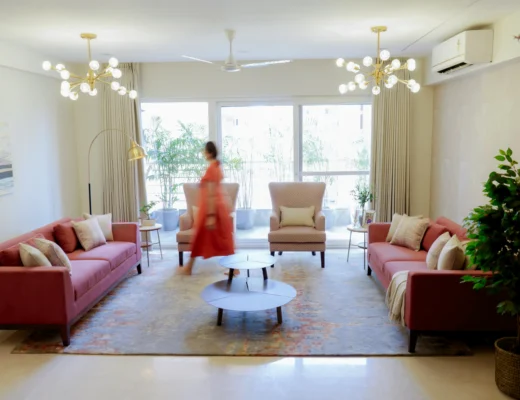
⦁ Living Room: A statement vintage sofa with add-on details like wooden trunks from the past can do wonders, especially against bright yellow walls.
⦁ Bedroom: I like to add one or two details, such as vintage dressers matched with antique or retro lamps and textured/patterned wallpapers.
⦁ Kitchen & Dining: Kitchen is where you can bring in appliances with a retro touch, with old crockery and reimagine the backsplash with patterned or textured tiles.
⦁ Bathroom: Antique mirrors are my favourite for bathroom designs, and I also love to use mosaic flooring where my clients agree.
Vintage with Modern: The Perfect Blend
Of course, we live in a world where aesthetics must go with functionality. Complete vintage themes and interior décor will still have practical add-ons from the present. If you want to blend both, the best approach is to strike a balance with one vintage hero piece and modern appliances. I like to show pictures and details from my collection, where clients get to know what to expect from each theme inspired by a particular era.
Starting Your Vintage Interior Journey
I recommend starting with a theme. I can help compare options and, depending on the budget, recommend one meaningful piece for each room. Depending on the project, I spend time exploring stores, markets, and heirlooms to find pieces that stand out. Where possible, I like to rely on vintage accessories rather than large furniture.
Have a question about the design process? Want to know more about vintage interior design and how ideas are put into action? Connect with my team to check some of our incredible work!